The latest USDA supply and usage data confirms what rice industry insiders have been watching closely. The 2026/27 long grain rice crop is facing a historic contraction. Wholesale buyers and food exporters need to prepare now.
Current Market Conditions: Exports Dragging the Market Down
At nearly 75% through the current crop year’s selling season, the market faces significant headwinds. The April 2026 USDA report reduced projected sales of long grain rice. Both domestic and export sales dropped by 5 million cwts (3%) from the prior month. The primary driver? Exports. Combined milled and rough rice exports are down 28% year-over-year. An escalating conflict in the Middle East has added new logistical complications. This impacts key customers like Iraq, a top importer of US milled rice. Despite the export slump, current US rice inventories are only 4% above last year’s levels. This small buffer is largely explained by this year’s smaller crop size. However, with growing carryover into next season, buyers should expect firming prices heading into fall harvest.
New Crop 2026/27: The Smallest Long Grain Rice Crop Since 1983
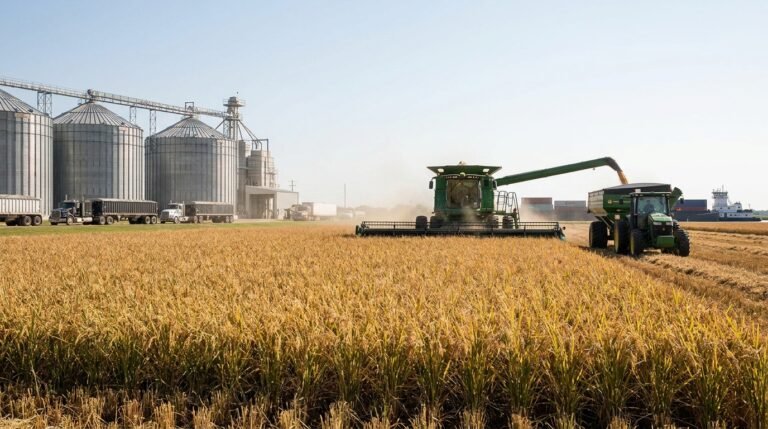
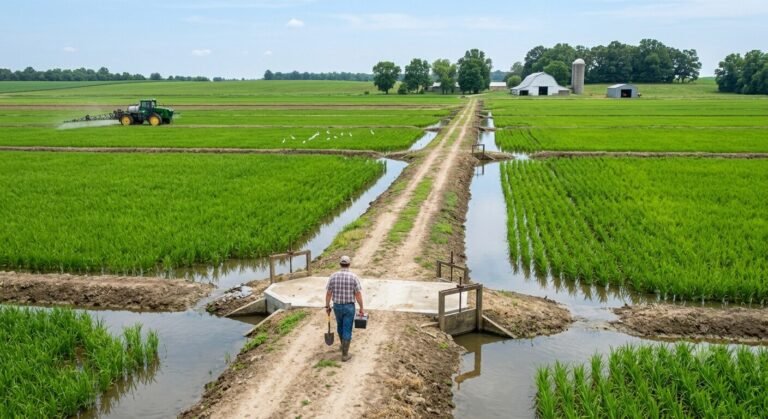
April and May are the critical planting months for rice, and the outlook for the 2026/27 crop is stark. With rice prices soft and farmers operating at a loss, USDA’s “intent to plant” survey projects: Long grain rice acreage down ~22% — nearly half a million acres fewer than last yearThe 2026 crop will be the smallest since 1983. Production will be 41% smaller than the record crop of 2010. Most lost acreage is transitioning to soybeans. This is not a national-wide shift — rice is only grown in six states — but the ripple effects extend beyond rice. Cotton and corn acreage will also compress, while soybean acres are projected up 4% nationally. Medium grain rice fares better, projected down only 3%, with losses concentrated in California.
Additional Pressures: Drought, Fertilizer & Fuel Costs
The 22% acreage decline may actually be the best-case scenario. Drought conditions in Arkansas and neighboring states are already stressing early-planted rice. Compounding the problem: Fertilizer and fuel costs remain elevated — both are more input-intensive for rice than most other crops. The original USDA acreage estimates were collected before the war and rising input costs, meaning additional acre losses to soybeans are possible. Rice futures reflect the market’s recognition of tightening supply — already rising from ~$10.00 at the start of 2026 to ~$11.00 as of this report, with further upward movement likely.
What This Means for Wholesale Buyers & Food Exporters
For procurement managers and food distributors sourcing bulk long grain rice, the message is clear: supply will tighten, and prices will rise. This is the time to: Lock in forward contracts before new crop pricing fully adjusts Diversify sourcing relationships to ensure supply continuity. Monitor export logistics for further disruptions tied to Middle East instability. At F. Garcia Wholesale & Export, we track commodity market conditions — from USDA crop reports to global export trends — to help our customers make smarter procurement decisions. Contact our team to discuss your rice sourcing needs for 2026 and beyond.
Source: Producers Rice Mill, April 2026 Rice Crop Report — Gary Reifeiss, VP Sales & Marketing
2025 Season
Total Planted: ~2.3M Acres (Record High)
2026 Forecast
Projected Drop: -22% (~1.8M Acres)